
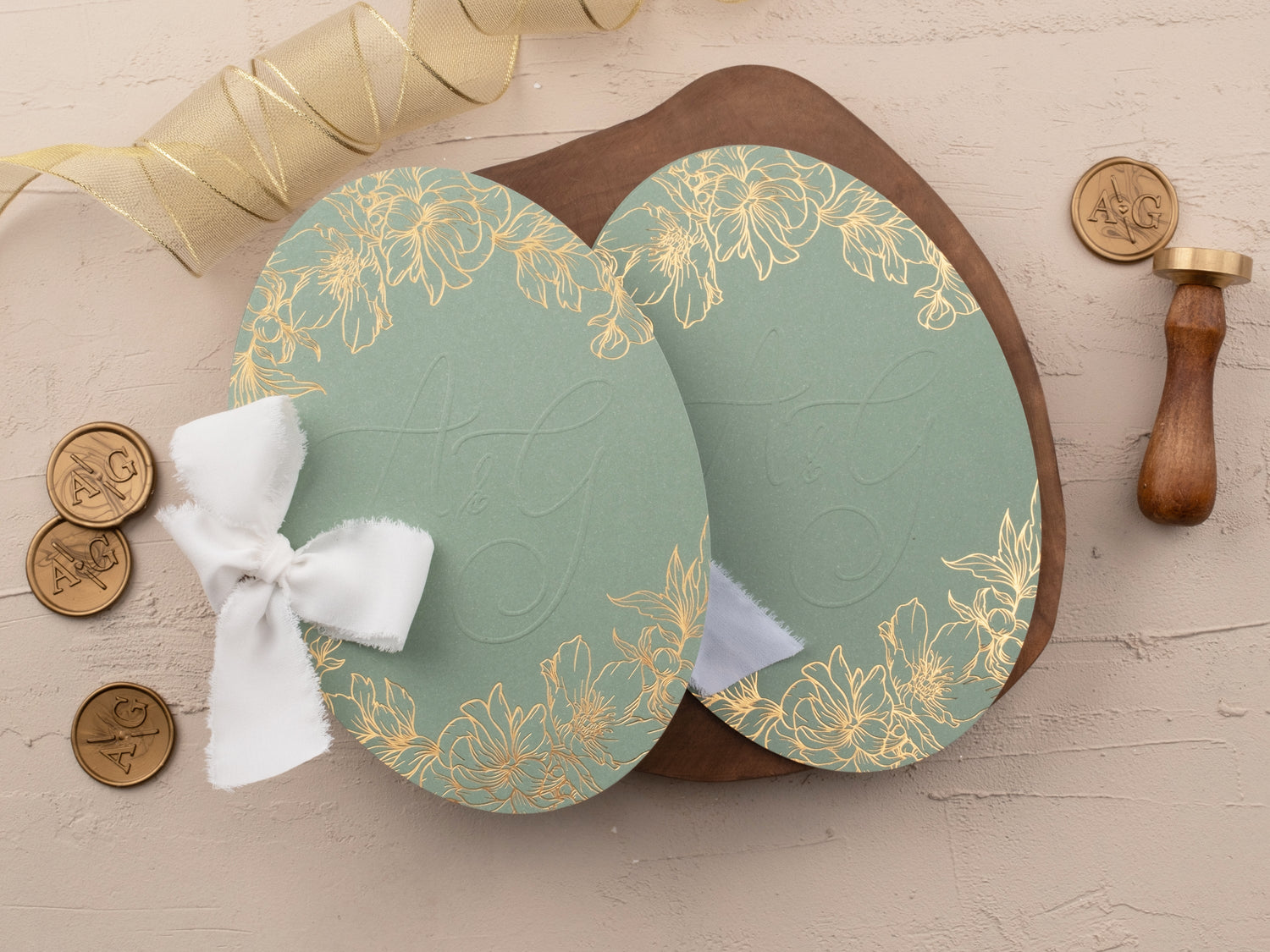
In short: Sage green wedding invitations feel calm, refined, and flexible across garden, modern, and seasonal celebrations. Pair sage with ivory for softness, gold for warmth, or deep green for contrast. Keep names and details legible with generous spacing and a focused palette, then choose a material that supports the mood you want.
Sage green brings color to a wedding invitation without overpowering the wording. Its muted tone can feel botanical beside florals, clean beside modern typography, or formal when paired with metallic details. That flexibility makes it a useful starting point for couples who want a coordinated suite that still feels personal.
The most polished sage invitation designs usually rely on restraint. Choose one supporting neutral, one optional accent, and a clear hierarchy for the names, date, and venue. This guide explains how to combine sage with ivory, gold, deeper greens, and seasonal colors while keeping every essential detail easy to read.
Why Are Sage Green Wedding Invitations So Popular?
Sage sits between a soft neutral and a recognizable color. It creates more personality than plain white or ivory, but it remains quiet enough to support formal wording and detailed artwork. The color also connects naturally with foliage, garden venues, outdoor ceremonies, and modern organic styling.
It is equally useful beyond botanical weddings. A simple sage field with clean type can feel contemporary, while a structured jacket and gold lettering can make the same color feel suitable for an evening celebration. Explore sage green wedding invitations to compare acrylic, paper, embossed, passport, floral, and layered formats.
Sage is also easy to carry through a suite without making every piece identical. Use it as the main invitation color, repeat it on an envelope or detail card, then let ivory or white create visual breathing room.
Which Colors Pair Best With Sage Green Invitations?
Ivory and warm white are the most versatile pairings. They soften the suite, preserve readable contrast, and leave space for florals or a metallic accent. Champagne and beige can create a warmer, tonal effect, but the wording still needs enough contrast to remain clear.
Blush adds a gentle romantic note, while muted terracotta gives sage a warmer, earthier direction. Navy or deep green creates stronger contrast and can make the palette feel more formal. Burgundy works especially well when you want a richer seasonal accent without losing sage as the anchor.
Keep the number of colors limited. One dominant sage tone, one neutral, and one accent are usually enough. If the artwork already includes several floral shades, repeat only one or two of them elsewhere in the suite.
Should You Choose Gold Foil With Sage Green Stationery?
Gold foil adds warmth and definition to sage. It works best when it highlights a clear focal point such as the couple's names, a border, a monogram, or selected leaves. Using foil selectively allows the reflective detail to stand out without competing with the invitation wording.
Warm gold tends to feel classic and celebratory. Rose gold creates a softer tonal effect, while silver gives sage a cooler, cleaner finish. Compare the wider gold foil printed wedding invitations and foil printed wedding invitations collections if the metallic finish is central to your decision.
Always view foil in relation to the background. Fine gold lettering may need more open space on a detailed floral design, while a simple sage field can support a bolder metallic name or border.

How Do You Keep Sage Green Invitation Wording Readable?
Start with contrast. Dark green, charcoal, black, white, or metallic lettering can all work, depending on how light or deep the sage background is. Avoid very thin pale text over floral artwork or textured areas where individual letters can disappear.
Give the most important details room to breathe. Names can use a decorative typeface, but the date, time, address, and response instructions should use a simpler style at a comfortable size. Short lines and consistent spacing make the invitation easier to scan.
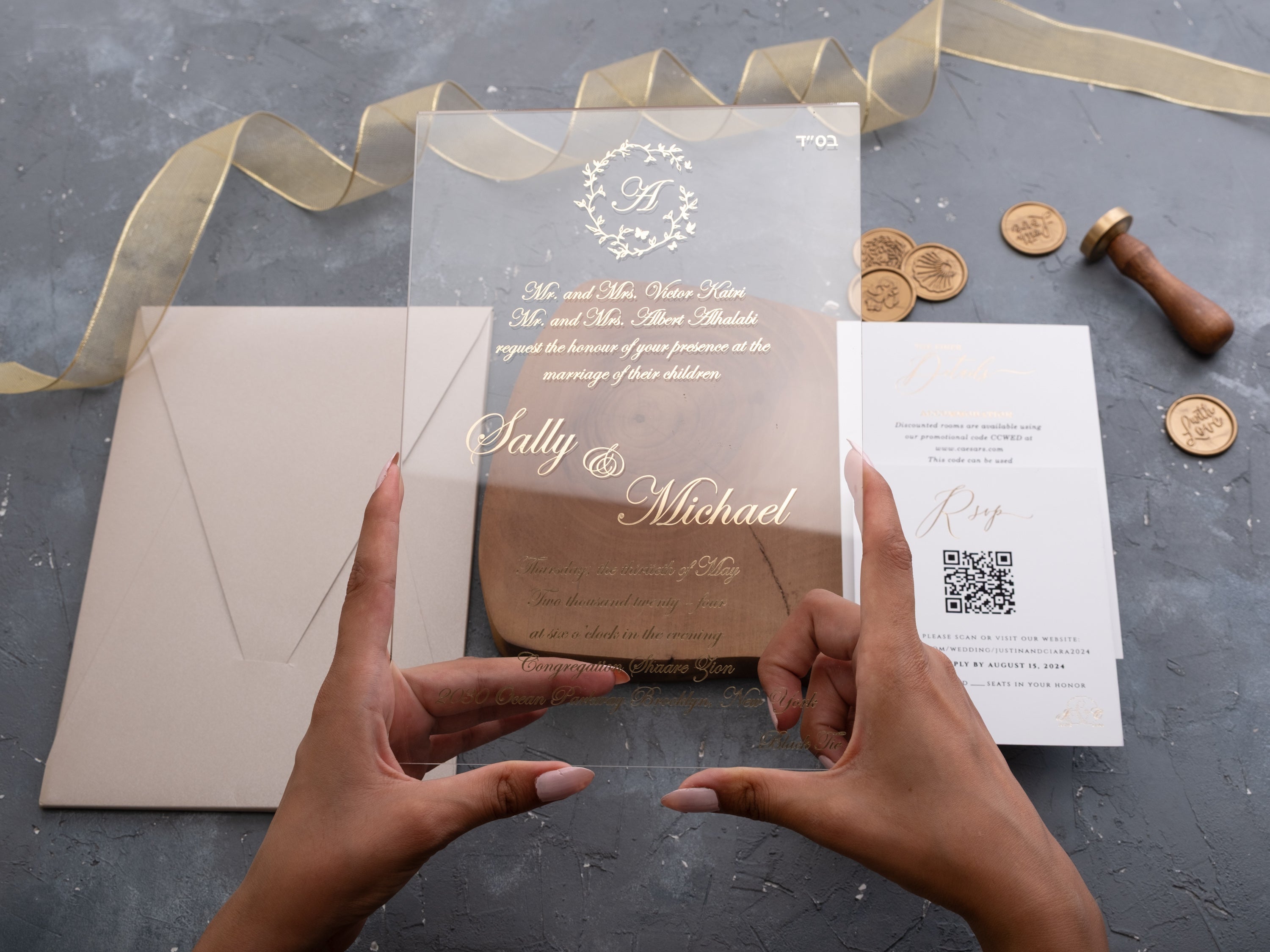
Judge the final design as a complete suite. A transparent card may look different over a sage envelope than it does on a white screen. Ask for a proof and, when possible, a sample that shows the real material, printing method, and background layers.
Which Wedding Styles Suit Sage Green Invitations?
Garden and botanical weddings are a natural fit because sage echoes foliage without requiring bright green artwork. Pair it with soft florals, line-drawn leaves, or a simple botanical border. Rustic celebrations can use warmer paper tones, ribbon, or terracotta accents.
For a modern wedding, keep the layout spacious and let the shape or material provide interest. Clear or matte acrylic wedding invitations can make sage feel architectural, while a minimal embossed design creates texture without adding more color.
Formal suites can combine sage with a structured jacket, restrained gold foil, and refined typography. The color does not determine the dress code by itself; material, layout, and presentation complete the impression.

Can Sage Green Work for Every Wedding Season?
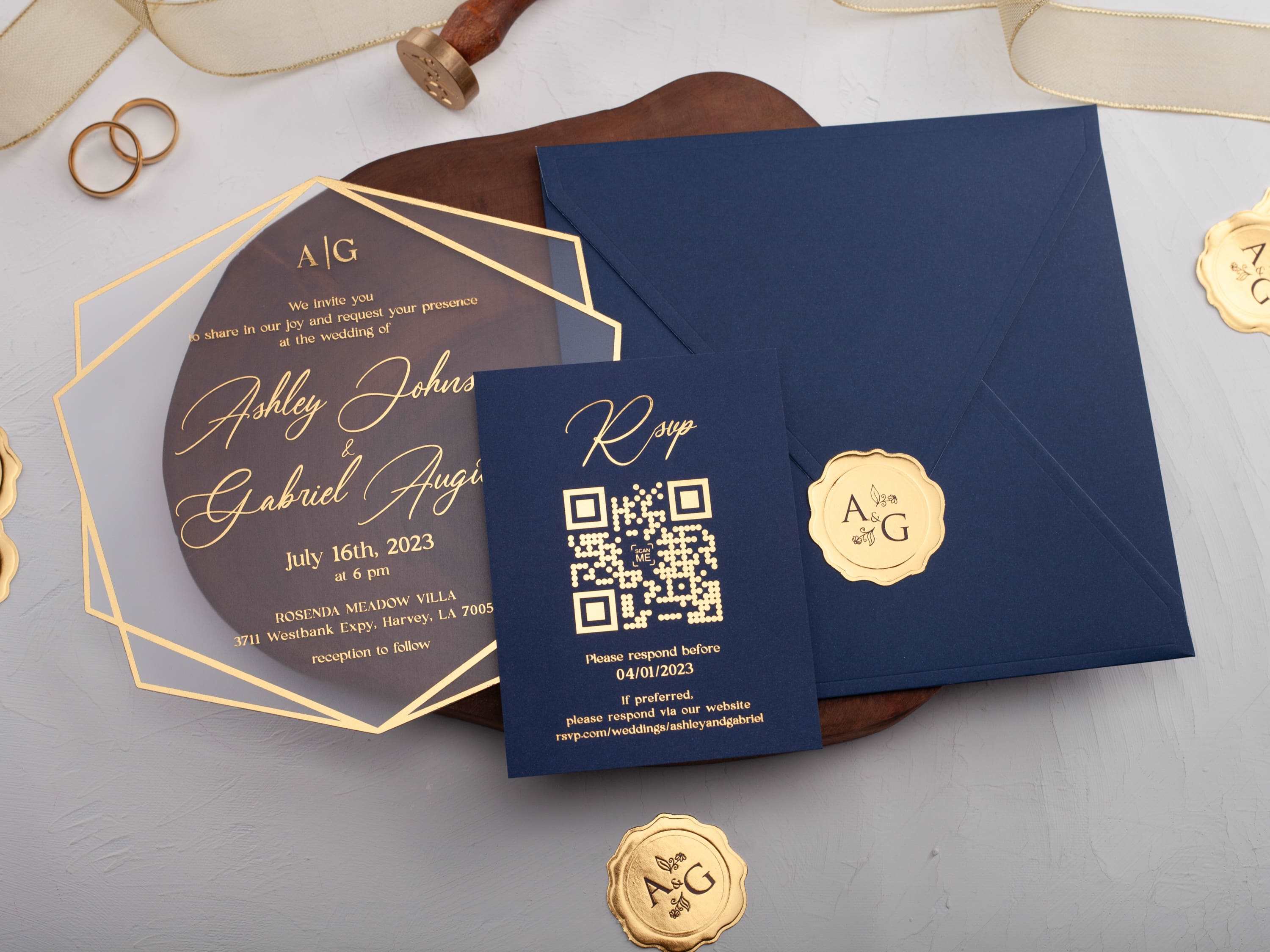
Yes. In spring, pair sage with ivory, blush, and fresh botanical details. Summer suites can use white, pale blue, or airy floral artwork. For autumn, add terracotta, burgundy, or warm gold. Winter invitations can use deep green, navy, ivory, and metallic accents for stronger contrast.
The material can help the palette feel seasonal. Light paper and open florals keep sage fresh, while a heavier jacket, layered card, or reflective foil can make it feel richer. You do not need to change the core color; adjust the supporting tones and finish instead.
How Do You Choose a Sage Green Invitation Design?
Begin with your wording and the amount of information the invitation must carry. Longer text benefits from a clean background and straightforward type. Short formal wording leaves more room for a crest, monogram, floral artwork, shaped card, or reflective detail.
Next, choose the role sage will play. It can be the main card color, a jacket or envelope, a printed botanical accent, or one part of a layered suite. Select a design that remains recognizable as yours after the names, date, venue, and preferred colors are added.
Finally, review a proof for color balance, spacing, and contrast. Confirm the exact personalization options on the product listing because available materials and components vary. Explore our sage green wedding invitations to find a personalized design with the color, finish, and wording style that fits your celebration.
Frequently Asked Questions About Sage Green Wedding Invitations
What colors go with sage green wedding invitations?
Ivory, white, warm gold, blush, navy, and muted terracotta can all complement sage green, depending on the mood you want.
Do sage green invitations work with gold foil?
Yes. Gold foil can add warm contrast to sage green when the layout leaves enough open space for readable wording.
Are sage green wedding invitations formal?
They can be. Refined typography, a limited palette, and subtle foil or textured details can make sage green feel polished and formal.
Can sage green work for a winter wedding?
Yes. Pair it with ivory, deep green, gold, or rich burgundy accents for a seasonal look.
How do you make text readable on a sage green invitation?
Use clear contrast, comfortable type size, and enough spacing around names, dates, and venue details.
Should every piece of the suite use sage green?
Not necessarily. Repeat sage on key pieces, then use neutrals or a metallic accent to keep the suite balanced.
Explore our sage green wedding invitations to compare personalized acrylic, foil, floral, and embossed designs.

Leave a comment
This site is protected by hCaptcha and the hCaptcha Privacy Policy and Terms of Service apply.